
Here’s How We Catch Them Before They Do Damage.
By Todd Snopkowski, CEO
I hear it often from hospitals, colleges, caterers, senior living communities. The specifics may differ, but the underlying problem is the same: “Things just aren’t as consistent as they used to be.”
Food isn’t going out the way it should. Line checks get skipped on busy days. Temperatures are recorded after the fact. A strong kitchen leader leaves, and suddenly the team is improvising on standards that were once second nature.
This is how quality slips start. Quietly. Slowly. And in the chaos of daily service, they’re easy to overlook until a health inspection doesn’t go as planned, or a client flags a plating issue, or staff start turning over because they’re working without direction.
At Snapchef, we didn’t just want to help kitchens get by. We wanted to help them stay excellent. That’s why we created our Quality Control Chef program.
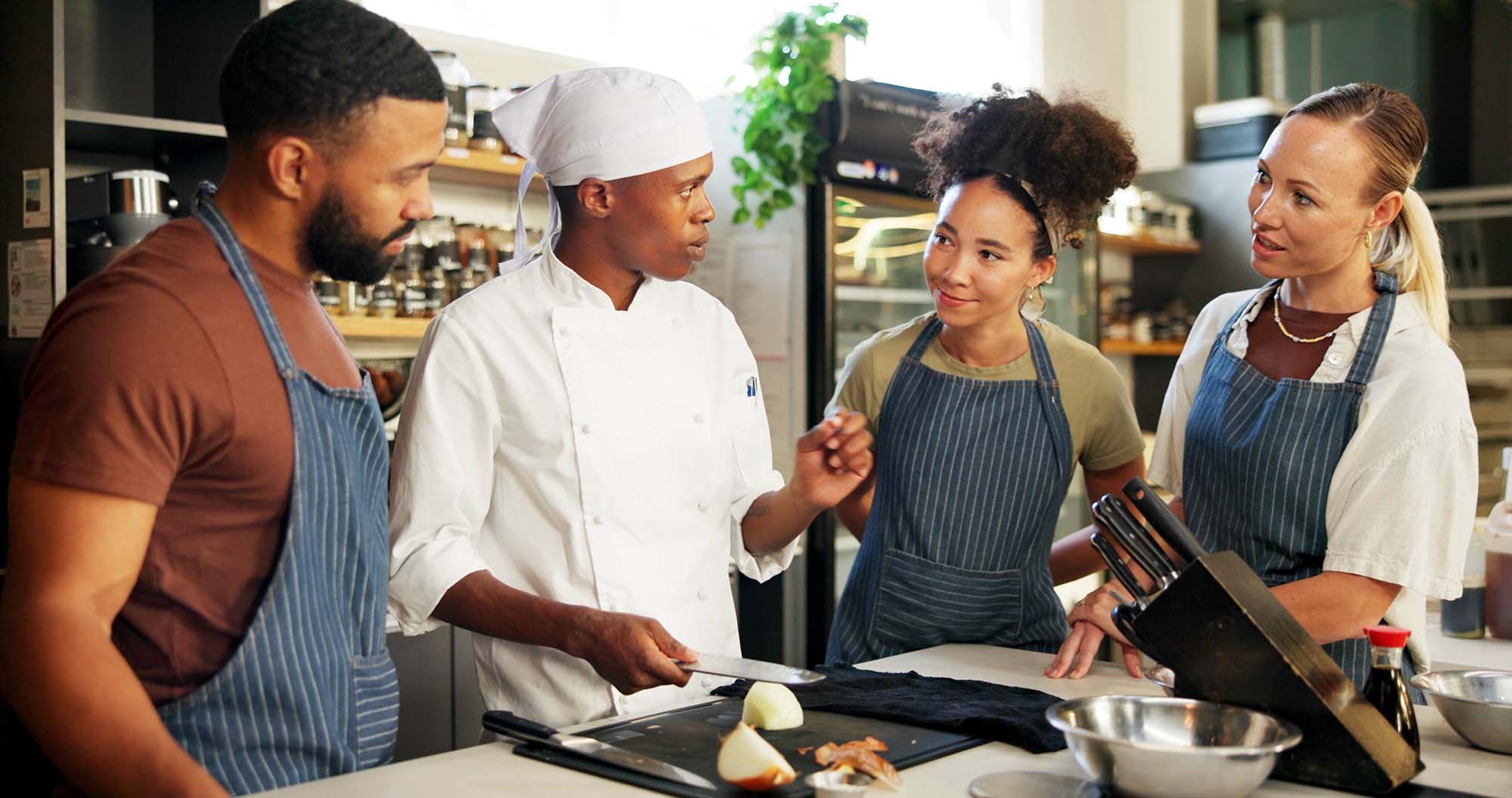
These are experienced professionals—like Paul, one of our QC Chefs—who work alongside our clients’ teams. They’re not there to supervise. They’re there to support, coach, and reinforce best practices on the line, in real time.
They step into kitchens to:
- Run daily audits, spot risks, and make corrections before they become problems
- Reinforce HACCP, ServSafe, and brand-specific SOPs
- Coach team members through live service and onboarding
- Document standards and offer practical tools clients can use after we leave
This model has made a real difference. Kitchens that were struggling to keep up are now humming again. Staff feel more confident. Turnover has slowed. Health inspections have improved.
And what I hear from clients now is a different kind of comment: “I didn’t know how much we needed this.”
Whether you oversee one kitchen or dozens, I believe every foodservice operation deserves a layer of support that’s proactive—not reactive. Quality shouldn’t depend on who shows up that day. It should be baked into the culture.
That’s the role our Quality Control Chefs play—and why I believe they’ll continue to be one of the most important things we offer.

