
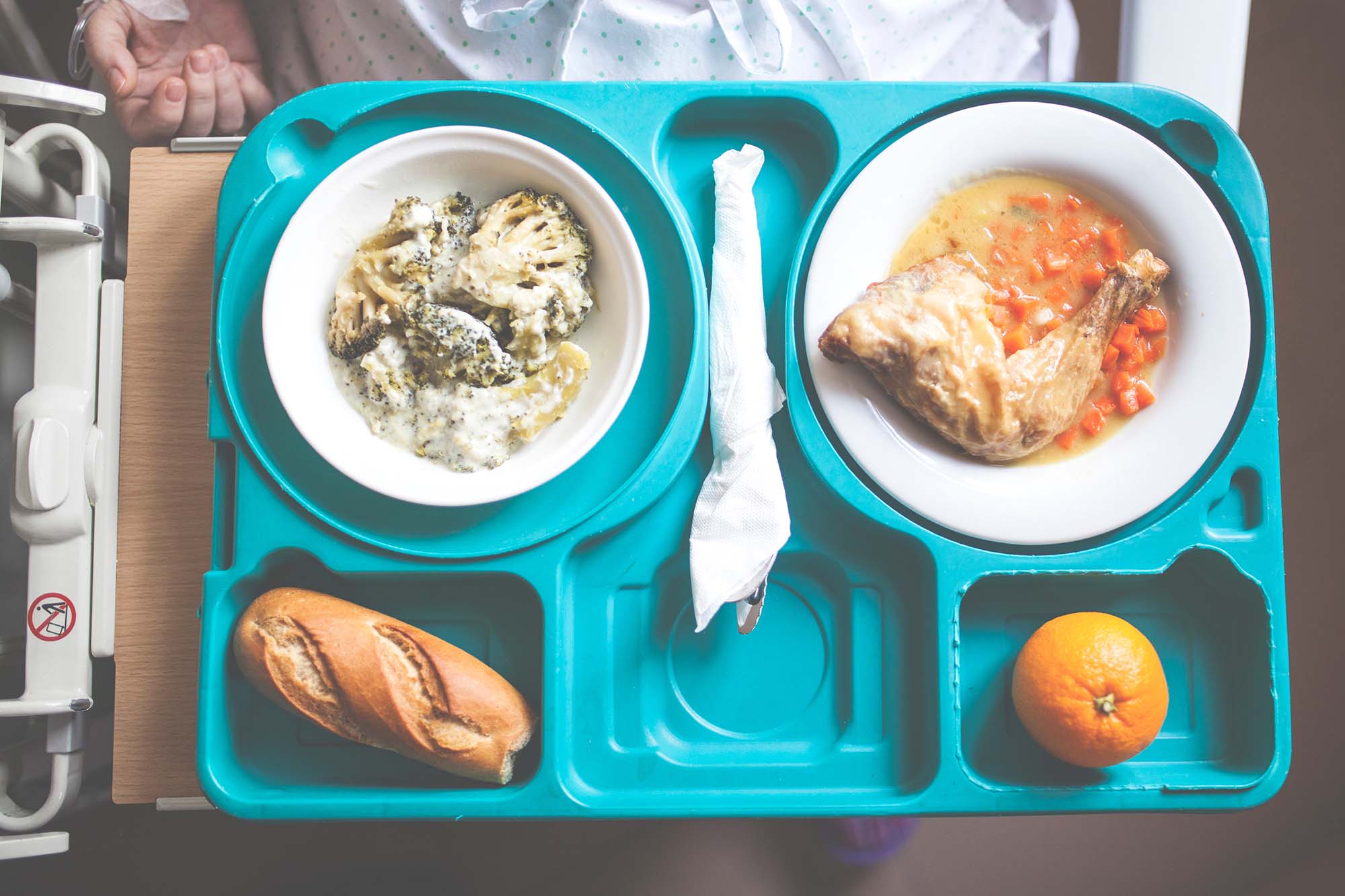
Why hospital food quality is more important than many realize
By Todd Snopkowski, CEO
In conversations with healthcare foodservice leaders across the region, one theme surfaces again and again. Directors of dining, executive chefs, and nutrition managers are all working toward the same goal: delivering a positive patient experience. Yet many acknowledge that one of the most visible elements of that experience—food—is often harder to control than people expect.
The Quiet Influence of the Hospital Meal
Meals arrive multiple times each day. For patients, they are one of the few consistent touchpoints throughout a hospital stay. That consistency gives foodservice a unique influence on how patients experience their care environment.
Patients may see different nurses, physicians, and technicians throughout the day. Staff rotate through shifts, and care teams change frequently. But meals remain constant. Breakfast, lunch, and dinner arrive on schedule, and each tray represents a small but meaningful moment in the patient’s day.
When Quality Is Consistent, Patients Notice
When meals arrive prepared well, aligned with dietary needs, and served on time, they reinforce trust. They signal organization, attentiveness, and care.
When they do not, the effect is just as noticeable. A tray that arrives late, food that does not match a diet order, or inconsistent preparation can quickly become a point of frustration. These moments may seem small in isolation, but for patients they shape a broader impression of the hospital environment.
Food is personal. It is also memorable.
For many patients, the meal on the tray becomes one of the most tangible experiences of their stay.
The Real Challenge Isn’t Creativity
The challenge healthcare kitchens face is rarely about culinary imagination. Most hospital dining programs already emphasize thoughtful menus and appropriate nutrition.
The greater challenge is consistency under pressure.
Hospital kitchens operate in one of the most demanding environments in foodservice. They must meet strict dietary protocols, maintain rigorous food safety standards, and produce large volumes of meals on tight schedules.
At the same time, they often navigate staffing fluctuations, variable census levels, and the complexities of coordinating service across multiple shifts.
Under those conditions, even small operational gaps can affect quality. A team that begins a shift short staffed may rush through tray assembly. A new cook may still be learning dietary systems. A kitchen that lacks consistent oversight may see standards vary depending on who is working that day.
Individually, these moments are manageable. Over time, they create variability that patients can feel.
Why Strong Healthcare Kitchens Focus on Systems
High-performing healthcare foodservice operations understand that quality must be built into the system. It cannot rely solely on the strength of individual staff members or one successful service period.
Consistency improves when kitchens establish clear expectations, reinforce training daily, and maintain visibility into how service is running across shifts.
When teams know exactly what standards they are responsible for—and when those standards are supported by strong operational structure—performance becomes more reliable.
That reliability affects more than kitchen efficiency. It shapes the patient experience itself.
Patient Experience Happens Three Times a Day
Healthcare organizations increasingly measure patient experience through surveys, feedback tools, and quality metrics. Foodservice is part of that equation whether it is formally recognized or not.
Meals arrive multiple times each day, giving kitchens repeated opportunities to reinforce a positive experience. The goal is not one exceptional service but consistent execution across every shift, including weekends, evenings, and high census periods.
When kitchens maintain stable systems, trained teams, and clear oversight, patients experience the difference. Meals arrive as expected. Standards remain consistent. The environment feels organized and dependable.
Foodservice Is Part of Patient Care
Hospital foodservice teams play an important role in the broader care environment. A well prepared meal can bring comfort during a difficult stay and reinforce the sense that the organization values every aspect of patient wellbeing.
That level of consistency requires planning, structure, and ongoing support for kitchen teams. When those elements are in place, food quality becomes predictable and reliable.
And when quality holds steady, the impact extends beyond the kitchen. It shapes how patients experience their care, one meal at a time.

